Fighting Driver Fatigue: Keeping Awake While Driving.

Driving when you are tired is not a simple issue of being tired, but it is a major safety issue. When you are tired, you cannot concentrate, your judgment becomes worse, and your reaction slows down. Wisdom in making decisions and in the initial stages of fatigue is crucial in fatigue management, supported by advanced driver fatigue monitoring system technology that detects drowsiness and helps prevent accidents.

Your first consideration should be rest. When you forget about that feeling of tiredness, you might think that everything is all right, however, your body reminds you that it is not. The longer the distance you drive, the more tired you will be. Ten minutes of rest may make you think you have got a new lease on life. Take your legs off, have a breath of air, and have your head refreshed. It is just like pressing the refresh button. You will find something different though you may not think you need it.

Another factor that is quite evident yet neglected at times is sleep. Drivers have been known to use caffeine and energy drinks to keep them going but this is only momentary. Dragging your heels after that, you are. The only thing that can refresh fatigue is real rest. Have a good night of sleep before making a long drive. When you are out longer than one day have naps on your breaks. Fatigue can be an unexpected issue and therefore you should check your body.

And now we will talk about your environment. The environment plays a great role in determining the level of alertness you have when you are driving. There is no reason to be afraid of playing the music that you like, pressing a button to adjust the chair, and leaving your windows open slightly, so that fresh air could enter. The cabin is well lit and comfortable. When you are not comfortable you will not be able to concentrate on the road you will be moving in your seat or wiping your sweat.

Keep your mind occupied. Driving hours may be comparable to gazing at the same thing on a daily basis. Your thoughts may wander. Take part in what is going on within your community. You can hear an unbelievable podcast, talk with a passenger, or sing to the radio. Don’t go too far, though. Excessive activity of the mind may distract you. As is the case with balancing on a seesaw, too little or too much concentration will lead to instability.

It is usual that people forget to drink water enough. Water is more suitable compared to soda. You can easily forget to drink on the road thus making you feel sleepy. During the journey, have small portions of water and have a bottle of water close by. It is easy to drink the sweet drinks and caffeine but they will crash you.

Technology may come in handy as well. The examples of driver aid technologies that are useful rather than a substitute of awareness are adaptive cruise control and lane-keeping assistance. They give you the second eye to ensure that you do not slow down or go off-course. They will be able to give a psychological relief and contribute to relaxing during long journeys.

Recognize when to stop. Break when you feel like you are losing focus. Where needed, take a break, sleep, or even sleep. The road will always be there when you are ready to go. Also, do not have your pride in your way; the danger of going too far is not the deliveries, appointments, or destinations.

Driving fatigue can be controlled through a minor preparation and knowledge. sleeping enough, staying hydrated, and having a comfortable place can help to be awake. It is better to be mindful about your own body and exercise the precautions that need to be taken rather than to be perfect.
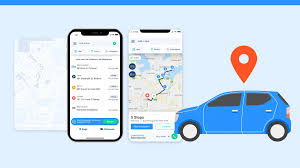
Safety First: Making Drivers More Compliant, with AI and GPS

Every fleet has that one driver who was always telling him that he was not speeding. Then the GPS truck tracking apps information is an uninvited guest to the poker game, the cards are on the table, the truth is exposed. That is why it is the safest fleet ever: technology does not lie.

GPS tracking and AI monitoring has simplified the process of tracking the drivers and ensuring they abide by the rules. All the hard stops, sharp turns, and late night detachments are documented. It is not spying, it is a matter of security. There is no way you can fix what you do not see and that is what these technologies are watching and hear everything even what a driver feels is not being reported.

Suppose that a car is driving along a wet road. The AI system can detect when you have heavy braking and immediately warns you. It could just be traffic. It could be unsafe activity. You are either warned about something small before it turns out to be huge. That is preventing it prior to its occurrence.

Tasks that took hours to be completed in paperwork and phone calls with the boss are now automated. Reporting is assembling reports. The violations are presented not as furious reprimands, but as pleasant reminders. It is data-driven, not speculative, coaching. And weirdly enough, it is liked by the majority of drivers. They will also have evidence that they are good habitually and they will no longer need to be involved with receiving blame in terms of false late coming in or imaginary fuel burning.

Certain systems can even detect when a person is fatigued and identify his or her face. Too long a glance out of the road? The AI sends out an alert. Such a small push may save lives. Having another pair of eyes in the taxi and never closing.

In the long run though, compliance improves since it is not hard to put people to task. It is not founded on fear but on feedback. Drivers begin competing on who is capable of writing the best reports such as achieve high scores in a game that rewards with safety benefits.

And this is the best part, fleets with GPS and AI to pressure a watchful eye on things are not as prone to accidents, there are reduced insurance claims, and there is less stress. Trucks are not the only objects which technology is protecting. It keeps the occupants indoors safe. That is as far as you can invest in this area.

The NHVR Compliance App is Changing Life on the Road.

The relationship between truck drivers and rules is love-hate. Everybody desires security, and no one desires to be engulfed in bureaucracy. That is where the NHVR compliance app comes in as a silent helper who does not speak back. It assists drivers in maintaining fatigue management, vehicle maintenance and log entries without searching through endless pages and scribbled notes. A couple of taps and swipes suffice in place of greasy fingers flipping through a diary.

The NHVR compliance app may be compared to such a mate who recalls everything you are forgetful of. It records hours, reminds you when you violate resting rules and stores your information in an orderly way. Less guesswork. Fewer panics on the second roadside check. One of the drivers put it best, it is a second brain that does not require coffee.

But, to tell the truth, it is not entirely sunshine. Technology can bite too. End up losing your phone battery half-way through a shift and you have to make up some story as to why your records ran out during a drive. This is why traditions are important. A bit of backup never hurts. There are drivers who write down fast notes, in case. That mix of computer-generated and retro makes things easy.

What is useful about the app is not the fancy features, but the simplicity. You will not have to dig out the logbook of yesterday and ask yourself whether you took a rest. The screen is a straight-forward way to know your position. You can watch your drive time in a clock, like your next coffee break. It’s oddly satisfying.

There were some blokes who were doubtful. Why would I leave my phone keep time on my hours? Fair question. Most of them changed their minds after a few weeks though. Its precision is difficult to dispute, and it spares them the inconveniences of messy handwriting or inadequate number reading skills. In addition, it reduces the chances of minor mistakes that might translate into huge fines.

It is also freeing to watch all this get put in place without any effort. Conformity does not need to be a pain. The secret is having tools that do the heavy work so that you are able to concentrate on the road. That the NHVR compliance app does so, subtly, effectively, unobtrusively, is a quiet endorsement. It is not the replacement of the instinct of the driver, merely a smarter sidekick.

Therefore, when your logbook seems that you ought to place it in a museum, perhaps it is time to give your phone the responsibility. The highway’s tough enough. Time and stress savers should have a place in the cab.